
Table of Contents
What Does “1 2 Screen Fuzzy in Car Monitor” Mean?
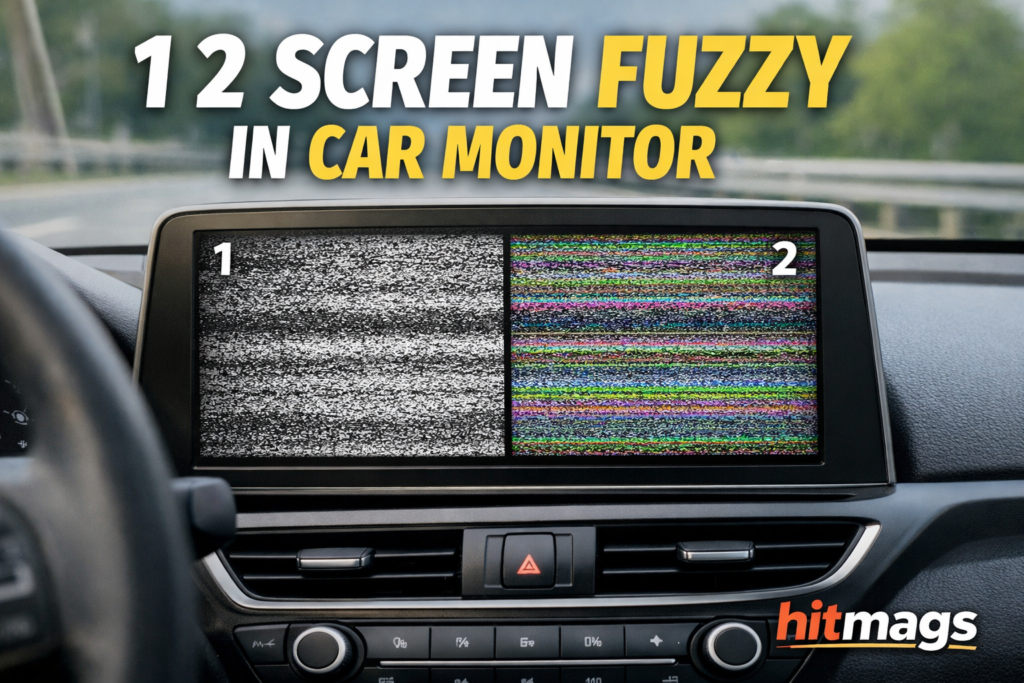
When your car monitor shows a “1 2 screen fuzzy” display, it usually means the screen appears blurry, grainy, or unclear, making it hard to see icons, text, or images properly. This fuzziness can happen on one part of the screen or cover the whole display and is sometimes intermittent. It can be caused by both software and hardware problems, from outdated infotainment firmware to loose connections behind the screen. Often, people confuse this with a completely dead or cracked screen, but a fuzzy display is usually still working—it just doesn’t look sharp. For example, if you are using Apple CarPlay or Android Auto, the screen may appear fuzzy due to resolution mismatch or a bad cable, even though the phone itself is fine. Understanding this difference is important because it helps you know whether the problem is something you can fix at home or if it requires a professional. In most cases, the “1 2 screen fuzzy in car monitor” issue doesn’t affect the core functions of the car, but it can make using navigation, entertainment, or settings more difficult, so it’s worth diagnosing early.
Common Symptoms of a Fuzzy Car Monitor
A fuzzy car monitor, also described as a “1 2 screen fuzzy in car monitor,” usually shows several noticeable signs that make using your vehicle’s infotainment system difficult and sometimes frustrating. One of the most obvious symptoms is a blurry or grainy display where icons, text, and images appear unclear or slightly pixelated, making it hard to read navigation instructions or menu options. You might notice that some areas of the screen are sharper than others, creating an uneven display that distracts while driving. This fuzziness can appear as a thin layer of static or a general softness across the entire screen, which is often more visible when the car is started or when certain apps, like Apple CarPlay or Android Auto, are in use. Some drivers report that the fuzziness increases with brightness changes or temperature fluctuations inside the car, indicating that both hardware and software factors may be at play. A fuzzy display does not necessarily mean the monitor is broken, but it is an indicator that attention is required, whether through simple troubleshooting or professional inspection.
Alongside the visual signs, functional symptoms can also appear when a car monitor is fuzzy. For example, the screen may respond more slowly to touch commands, or menus may appear distorted when switching between applications. In some cases, the fuzziness only happens intermittently, which can make it harder to diagnose because it might seem normal at times and unclear at others. Users also report that this issue often appears during startup, while using specific features, or when the infotainment system has been idle for a long time. Even when the display is fuzzy, other systems like audio or climate control usually work correctly, which helps distinguish a display issue from a larger electrical problem in the vehicle. Paying attention to these symptoms can help determine whether the cause is something minor, like a software glitch or cable issue, or something more serious such as a failing LCD panel or backlight problem, allowing for faster and more accurate fixes before the issue worsens.
Top Causes of a Fuzzy Car Monitor Screen
A fuzzy car monitor, often referred to as the “1 2 screen fuzzy in car monitor” issue, can stem from several underlying causes, both software-related and hardware-related. One of the most common reasons is software glitches or outdated firmware, which can interfere with how the display renders images and text. Infotainment systems rely on complex software to process video signals from connected devices like phones or cameras, and if the system is outdated, has bugs, or experiences a temporary crash, the screen may display blurred or fuzzy visuals. Another frequent cause is resolution mismatches or incorrect display settings, where the car monitor’s native resolution does not align with the input signal, often from devices connected through Apple CarPlay or Android Auto. Even when everything is connected correctly, the wrong resolution can make everything appear soft or pixelated, giving the impression that the screen itself is failing. Additionally, loose or damaged internal wiring behind the display can prevent signals from reaching the monitor properly, causing partial fuzziness or uneven display areas. Electrical interference, such as voltage fluctuations, poor grounding, or interference from other car accessories, can also distort the display temporarily and create a fuzzy effect, which can sometimes seem random and difficult to trace.
Hardware issues are another major contributor to a fuzzy car monitor. Over time, LCD panels can degrade, backlights may dim or flicker, and bonding between layers can deteriorate, all of which reduce clarity and make images appear grainy. Physical damage, such as dropping the unit during installation, exposure to extreme temperatures, or even long-term sun exposure, can accelerate this wear and tear. Some problems only appear when using specific connected devices, indicating that while the monitor itself might be functional, the input source or cables are creating a fuzzy signal. For example, low-quality USB cables or adapters often fail to transmit high-definition signals properly, causing fuzziness only when using external devices. In older vehicles, aging infotainment systems are more prone to this problem, as the components that control screen rendering simply cannot keep up with modern high-resolution standards. Understanding these causes is crucial because it helps drivers and technicians determine whether the fix will require a simple software update, cable replacement, or a full hardware repair, ensuring that the “1 2 screen fuzzy in car monitor” problem is addressed efficiently before it worsens or affects other vehicle systems.
Step-by-Step Troubleshooting for a Fuzzy Car Monitor
When dealing with a “1 2 screen fuzzy in car monitor,” the first step is to carefully troubleshoot the problem to determine whether it is something simple you can fix yourself or if it requires professional help. Start by checking the display settings on your car monitor, such as brightness, contrast, and sharpness, because incorrect settings can sometimes create the appearance of fuzziness. If your car supports resolution adjustments, make sure the output matches the screen’s native resolution. Next, try power cycling the infotainment system by turning off the car completely, waiting a few minutes, and then restarting it, as this can often clear temporary software glitches that make the screen appear blurry. Another important step is to inspect all cables and connections behind the screen and in any connected devices, as a loose ribbon cable or a worn connector can interfere with signal transmission and cause uneven or fuzzy displays. For systems that use Apple CarPlay or Android Auto, test the display using a different USB cable or a different phone to see if the fuzziness persists, which can help isolate whether the problem lies with the monitor itself or the connected device.
If the fuzziness continues despite these initial steps, it is important to update the system software or firmware. Infotainment manufacturers regularly release updates to fix bugs and improve screen performance, so ensuring your system is running the latest version can often solve display issues. If updating the software does not resolve the fuzziness, it may indicate a deeper problem such as hardware degradation, backlight issues, or LCD panel aging, which require more advanced intervention. While some minor issues can be addressed at home, persistent or worsening fuzziness should prompt a professional diagnostic, as technicians have the tools to measure signal integrity, test the display under different conditions, and identify if the screen or internal circuits need replacement. Early troubleshooting not only helps restore a clear display but also prevents further damage, ensuring that your car monitor continues to function reliably for navigation, entertainment, and vehicle settings.
When to Seek Professional Help
Sometimes, no matter how carefully you troubleshoot, a fuzzy display will not improve, signaling that it is time to seek professional help for your “1 2 screen fuzzy in car monitor” problem. Persistent fuzziness, uneven display areas, or intermittent issues that appear without any clear pattern often indicate hardware problems that cannot be fixed with simple settings adjustments or software updates. Professional technicians have specialized tools to test the internal connections, measure voltage stability, and examine the LCD panel for signs of aging, backlight failure, or internal damage. Attempting to repair these issues yourself can risk further damage, void warranties, or create safety problems if electrical components are handled incorrectly. In many modern vehicles, infotainment systems are integrated into the dashboard and may require careful disassembly, calibration, and sometimes even replacement of the entire unit, which makes professional intervention the safest and most reliable solution.
Additionally, seeking professional help ensures that the root cause of the fuzziness is properly identified rather than just temporarily masked. Technicians can distinguish between a failing screen, degraded cables, or interference from connected devices, which saves time and prevents repeated frustration. They can also provide guidance on preventative maintenance, such as proper cable management, recommended software updates, and tips for protecting the screen from heat or physical damage. For drivers who rely on navigation, media, and safety features displayed on the monitor, resolving the fuzziness quickly maintains usability and avoids distractions that could compromise driving safety. Ultimately, knowing when to call a professional not only restores screen clarity but also protects your investment in the vehicle’s technology, ensuring that your infotainment system continues to work efficiently and reliably.
Preventative Tips to Keep Your Car Screen Clear
Maintaining a clear and sharp car monitor is much easier when you follow simple preventative measures that protect the display from damage and reduce the chance of fuzziness. One of the most important steps is to keep the screen clean and avoid harsh chemicals or abrasive materials, as these can scratch the protective coating or leave residue that reduces clarity. Use a soft microfiber cloth and a gentle cleaning solution specifically designed for electronics to wipe the display regularly, removing dust, fingerprints, and grime that can make images appear dull or fuzzy. It is also important to avoid extreme temperatures, as excessive heat or cold can affect the LCD panel and backlight, potentially causing temporary or permanent fuzziness. Parking in shaded areas, using sunshades, and avoiding long exposure to direct sunlight can extend the life of your screen. For connected devices, always use high-quality cables and adapters when connecting phones or media players, because low-quality or damaged cables can introduce signal interference that shows up as a fuzzy display, especially on Apple CarPlay or Android Auto systems.
In addition to physical care, software maintenance plays a key role in preventing fuzzy screens. Regularly check for updates to your infotainment system and install them as soon as they become available, because updates often fix bugs, improve resolution handling, and enhance overall display performance. Being proactive with system updates can prevent the gradual degradation of screen clarity that sometimes occurs over time due to outdated software. Another important practice is to monitor how you use the system, avoiding leaving the display on for extended periods without breaks, which can reduce backlight life and contribute to fuzziness. By combining careful physical handling, proper environmental protection, and routine software updates, drivers can significantly reduce the risk of encountering a “1 2 screen fuzzy in car monitor” issue, ensuring that the display remains sharp, reliable, and easy to read for all infotainment functions.
Frequently Asked Questions (FAQs)
Many drivers experiencing a “1 2 screen fuzzy in car monitor” have questions about why the problem occurs and how to fix it, and understanding the answers can help prevent unnecessary worry or costly repairs. One common question is why the screen looks fuzzy only sometimes or only when using certain features like Apple CarPlay or Android Auto. This usually happens because the fuzziness is caused by a mismatch between the device’s output resolution and the car monitor’s native resolution, a weak or damaged cable, or temporary software glitches. Another frequent concern is whether a fuzzy screen can fix itself over time. In some cases, restarting the infotainment system or updating the software can temporarily or permanently clear up the fuzziness, but if the problem recurs, it is often an indication of a deeper issue, such as aging hardware, backlight problems, or electrical interference. Drivers also ask about the cost of repairing a fuzzy screen, which can vary depending on the cause; simple cable replacements or software updates are inexpensive, but hardware repairs, such as replacing the LCD panel or entire head unit, can be more costly.
Vehicle age and usage patterns also play a role in the likelihood of a fuzzy monitor, and many people wonder if older cars are more prone to this problem. Older infotainment systems may struggle with modern high-resolution signals, leading to fuzziness when connecting newer devices. Environmental factors such as prolonged exposure to heat, sunlight, or humidity can accelerate wear and make displays appear grainy or soft over time. It is also important to note that fuzziness does not necessarily mean the system is failing completely, but ignoring early signs can result in more severe problems that require professional repair. By understanding these FAQs and knowing the typical causes and solutions, car owners can take proactive steps to maintain a sharp, clear display, troubleshoot minor issues on their own, and recognize when it is time to seek professional assistance to keep the infotainment system working efficiently and safely for years to come.
Conclusion
The “1 2 screen fuzzy in car monitor” issue is a common problem that can affect drivers of all vehicle types, and understanding its causes is the first step toward keeping your car’s display clear and functional. Fuzziness can result from software glitches, outdated firmware, resolution mismatches, loose or damaged cables, electrical interference, or natural hardware wear over time. Recognizing the signs early, such as blurry text, grainy images, or uneven display areas, allows drivers to take proactive steps to troubleshoot the problem before it worsens. Simple solutions like adjusting display settings, power cycling the system, checking connections, or updating the software can often restore screen clarity without requiring professional help, saving time and money. In cases where the fuzziness persists despite these efforts, consulting a professional technician ensures that the root cause is properly diagnosed, preventing further damage and maintaining the overall performance of the infotainment system.
Preventative care is equally important in avoiding the recurrence of a fuzzy screen. Regular cleaning with gentle materials, protecting the display from extreme heat or sunlight, using high-quality cables for connected devices, and keeping the software updated all contribute to a longer lifespan and sharper visuals. By staying attentive to both software and hardware maintenance, drivers can minimize the risk of encountering a “1 2 screen fuzzy in car monitor” problem and enjoy clear, reliable displays for navigation, media, and vehicle controls. Understanding the symptoms, causes, and solutions empowers vehicle owners to handle the issue confidently, maintain the safety and usability of their car’s systems, and extend the life of their infotainment technology. A clear and crisp car monitor not only improves the driving experience but also ensures that important information is always easy to see and access, making every drive safer and more enjoyable.