
Table of Contents
What Is a 1 1 4 Spacer
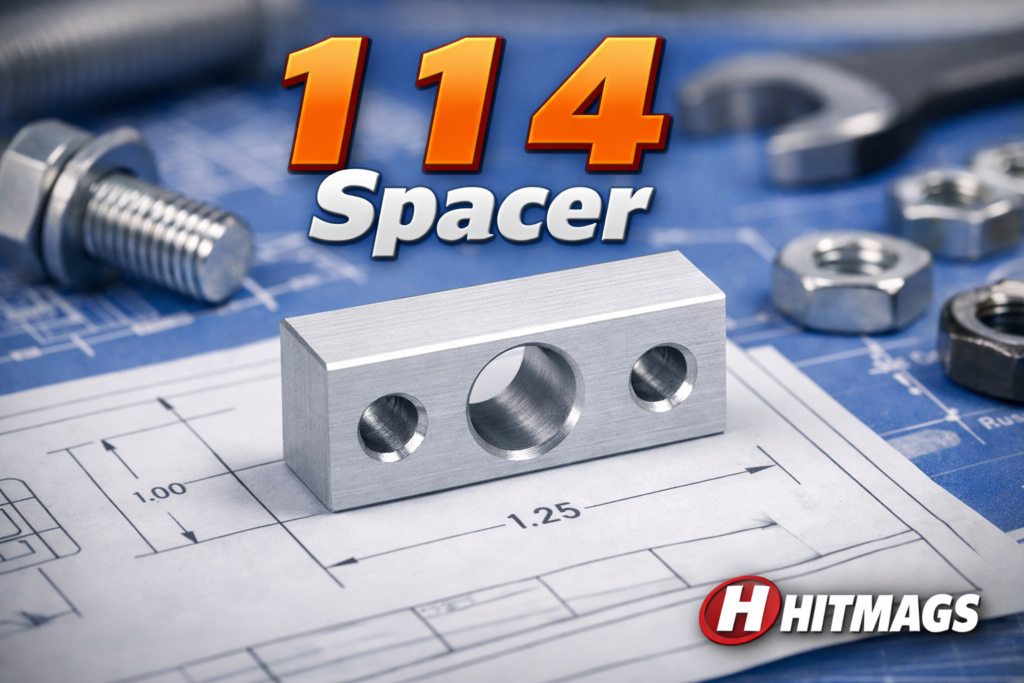
A 1 1 4 spacer is a small but very useful part that is used to create space or a gap between two objects, and the “1 1/4” usually refers to its size, most commonly its length or thickness in inches, which equals 1.25 inches. These spacers are used in many everyday things like cars, furniture, machines, plumbing systems, and even simple DIY home projects, and their main purpose is to keep parts properly aligned, prevent friction, and allow smooth operation of connected components. Many people confuse a spacer with a washer or standoff, but a spacer is mainly designed to maintain a fixed distance between parts, while washers spread load and standoffs often have threads; understanding this difference helps you choose the right component for your project. In simple words, if you need to create a stable gap between two objects without them touching or moving too close, a 1 1 4 spacer is a practical and cost-effective solution that improves both performance and durability of your setup.
Types of 1 1 4 Spacer
The 1 1 4 spacer comes in a variety of materials and designs, each suited to specific applications, and understanding these differences is key to choosing the right one. Materials play a big role in determining the strength, durability, and cost of a spacer. For example, metal spacers such as steel and aluminum are extremely strong and can handle heavy loads, making them ideal for automotive, machinery, or structural projects where strength is critical. Aluminum spacers are lighter and resist rust, which is beneficial for outdoor or marine use, while steel spacers offer maximum strength but may require a protective coating to prevent corrosion. Plastic and nylon spacers, on the other hand, are lightweight, inexpensive, and resistant to chemicals, making them suitable for electronics, plumbing, and DIY projects where heavy load-bearing is not required. Rubber spacers are flexible and excellent for vibration damping, often used in machines, appliances, or automotive parts to reduce noise and wear. Even brass spacers are available for applications where corrosion resistance and conductivity are necessary, such as in electrical systems or decorative hardware. Each material has its own unique properties, so understanding the environment and load requirements is essential before selecting a 1 1 4 spacer.
Design also matters just as much as material, because the shape and structure of a spacer determine how it fits and functions in a project. Spacers can be threaded or unthreaded, round or flat, and sometimes designed specifically for wheels, pipes, or other components. Threaded spacers allow screws or bolts to pass through and secure parts tightly, making them useful for mechanical assemblies or furniture construction, while unthreaded spacers are simpler and can be used to create consistent gaps without the need for screws. Wheel spacers, commonly used in vehicles, help adjust wheel alignment, improve handling, and give cars a better stance, whereas pipe or tubing spacers are used in plumbing and industrial setups to keep pipes aligned and prevent friction or wear. Choosing the correct design ensures that the 1 1 4 spacer will perform effectively, last longer, and maintain the integrity of the system it supports. Combining the right material with the right design ensures that a spacer is not just a small accessory but a critical component in improving stability, performance, and safety in any project.
Common Uses of 1 1 4 Spacer
The 1 1 4 spacer is a versatile component that finds use in a wide range of industries and applications, and understanding where and how it is applied helps people see its true value. In the automotive world, these spacers are often used to adjust wheel alignment, improve vehicle stance, and ensure that wheels fit correctly without rubbing against suspension parts or brake components. They also help in reducing vibrations and distributing load evenly across axles, which can prevent premature wear of tires and suspension systems. Beyond vehicles, spacers are widely used in construction projects to maintain consistent gaps between materials, such as wooden panels, metal beams, or structural elements, ensuring that the construction is aligned, stable, and safe. In plumbing, spacers keep pipes properly separated to prevent leaks, reduce friction, and allow for thermal expansion, which is especially important in large residential or industrial systems. Even in everyday DIY projects, such as assembling furniture, mounting shelves, or building electronic devices, the 1 1 4 spacer plays a critical role in maintaining proper spacing and alignment, preventing parts from rubbing, bending, or malfunctioning over time.
Spacers are also incredibly useful in protecting components and improving longevity. By creating a precise gap between two parts, a 1 1 4 spacer reduces friction, vibration, and heat build-up, all of which can damage materials or decrease performance. For example, in electronics or machinery, using a properly sized spacer prevents wires, circuit boards, or mechanical parts from touching each other, which could otherwise cause short circuits, wear, or misalignment. In automotive projects, using the right spacer ensures that brake components, wheels, and suspension parts do not interfere with each other, providing smoother operation and safer performance. Even decorative or architectural applications benefit from spacers, as they allow for uniform gaps that create a clean, professional finish while keeping materials from warping or cracking over time. Essentially, a 1 1 4 spacer is not just a small accessory; it is a functional part that enhances precision, safety, and durability across multiple uses, making it an essential element in any project where alignment, stability, and longevity matter.
Sizes, Dimensions & Specifications of 1 1 4 Spacer
Understanding the sizes, dimensions, and specifications of a 1 1 4 spacer is essential for anyone planning to use it effectively because even a small difference in size can affect performance and safety. The term “1 1/4” generally refers to the spacer’s length or thickness, which is 1.25 inches, but spacers also have other important measurements, including inner diameter, outer diameter, and overall width. The inner diameter determines what size bolt, screw, or rod can pass through the spacer, while the outer diameter affects how the spacer distributes weight and fits into a space. Thickness or length affects the gap it creates between components, and choosing the correct measurement ensures that parts do not touch, rub, or become misaligned. Tolerance levels are also critical, particularly in precision applications such as machinery or automotive assemblies, because even a fraction of a millimeter difference can impact the fit and stability of the entire system. Many manufacturers provide detailed specifications for each spacer, including material, weight capacity, and recommended usage, making it easier for users to select the right component for their project.
In addition to basic measurements, the 1 1 4 spacer can come in different shapes and finishes that also influence its performance. For example, a spacer with smooth edges or rounded corners can reduce wear and tear on adjacent parts, while anodized or coated metal spacers resist corrosion, which is particularly important in outdoor, marine, or industrial environments. Measuring a spacer accurately before purchase or installation is crucial, and it often involves using calipers, rulers, or specialized measuring tools to ensure both inner and outer diameters, as well as thickness, are correct. Converting inches to millimeters may also be necessary, especially when dealing with imported parts or industrial equipment that uses metric standards. Ultimately, knowing the full specifications of a 1 1 4 spacer ensures that it fits perfectly, performs as intended, and maintains the safety and longevity of the components it supports, making measurement and selection just as important as material and design.
How to Choose the Right 1 1 4 Spacer
Choosing the right 1 1 4 spacer may seem simple at first, but selecting the proper type requires careful consideration of several factors to ensure that the spacer will perform effectively and last for the intended use. The first factor is the material, which determines strength, durability, and suitability for the environment. For heavy-duty applications like automotive or machinery use, metal spacers such as steel or aluminum are preferred because they can handle high loads and resist deformation over time. For lighter applications, such as electronics or home projects, plastic, nylon, or rubber spacers can be sufficient while offering flexibility, chemical resistance, and a lower cost. The environment also plays a crucial role; outdoor or marine applications require materials that resist corrosion, UV exposure, and moisture, whereas indoor applications may not need such high resistance. Understanding the weight and load that the spacer will support is equally important, as using a spacer that is too weak can lead to component misalignment, vibration, or even structural failure.
Beyond material and load, other considerations include the design, fit, and specific application requirements. It is essential to measure the gap accurately and determine the inner and outer diameters needed for bolts, screws, or rods, as an ill-fitting spacer can compromise stability and function. Threaded versus unthreaded designs also matter depending on whether the spacer needs to be secured tightly or simply maintain a gap. Cost may influence choice, but it should never outweigh quality, because a poorly chosen spacer can lead to increased maintenance, repairs, or even safety hazards. Consulting manufacturer specifications, understanding industry standards, and considering long-term performance can help users select a 1 1 4 spacer that balances durability, reliability, and efficiency. Ultimately, choosing the right spacer is about matching the material, size, and design to the specific needs of the project while ensuring that alignment, stability, and safety are maintained throughout its use.
How to Install a 1 1 4 Spacer
Installing a 1 1 4 spacer may seem straightforward, but doing it correctly is essential to ensure that the components it supports remain stable, aligned, and safe over time. The process begins with careful measurement of the gap or distance that the spacer is intended to create, because an incorrect measurement can lead to misalignment, rubbing, or instability in the system. Once the correct spacer is selected, it should be positioned precisely between the two components, ensuring that it sits flat and level without tilting or bending. For threaded spacers, bolts or screws should be carefully passed through the spacer, securing it firmly while avoiding over-tightening, which can damage the spacer or compress it in a way that reduces its effectiveness. Non-threaded spacers, commonly used for simple gap maintenance, must still be checked to ensure that they remain properly aligned as the components are joined together, as even slight shifts can affect the overall function of the assembly. Paying attention to these details ensures that the 1 1 4 spacer serves its purpose effectively and supports long-term performance of the connected parts.
Beyond positioning and securing, installation also involves attention to the surrounding environment and the function of the system in which the spacer is being used. For instance, in automotive applications, spacers should be installed in a way that does not interfere with moving parts, brake systems, or suspension alignment, and components should be double-checked for clearance after installation. In construction or plumbing projects, spacers must be carefully aligned to maintain consistent gaps, prevent material stress, and allow for expansion or contraction due to temperature changes. Safety gear such as gloves or eye protection is recommended during installation, particularly when dealing with heavy or metallic spacers. After installation, a final inspection should be performed to ensure that the spacer is not under stress, misaligned, or loose, as this could compromise stability or lead to early wear. Proper installation of a 1 1 4 spacer is not just about placing it between parts—it’s about creating a precise, reliable, and durable system that enhances the performance and longevity of the project.
Benefits of Using a 1 1 4 Spacer
The 1 1 4 spacer offers numerous benefits that make it an essential component in a wide range of applications, from automotive and construction projects to plumbing, electronics, and DIY assemblies. One of the most significant advantages is its ability to improve alignment and spacing between parts, which ensures that connected components operate smoothly without interference or friction. By maintaining a consistent gap, spacers prevent wear and tear on parts, reduce vibrations, and help distribute loads evenly, which enhances the longevity and efficiency of the system. For example, in machinery or automotive setups, the right spacer can prevent misalignment that might otherwise cause noise, uneven wear, or even component failure. In plumbing and electrical systems, spacers ensure that pipes, wires, or circuit boards remain properly separated, reducing the risk of short circuits, leaks, or corrosion. Essentially, a 1 1 4 spacer functions as a small but critical part that protects valuable components while optimizing the performance and durability of the entire system.
Beyond protection and alignment, spacers also contribute to safety and cost-efficiency, which makes them a smart choice for any project. By keeping parts properly spaced, a 1 1 4 spacer minimizes the chances of mechanical failures, accidents, or material damage, which could otherwise lead to costly repairs or replacements. They also enhance structural stability by preventing components from bending, warping, or rubbing against each other, which is particularly important in construction, industrial equipment, and vehicles. In addition, using spacers can simplify assembly and maintenance, as parts are easier to access and adjust when they are consistently spaced. Even in decorative or architectural projects, spacers create clean, professional finishes while reducing stress on materials over time. In summary, the 1 1 4 spacer is not just a minor accessory but a vital element that combines alignment, protection, stability, and cost savings, making it indispensable for achieving long-lasting, high-performance results in a wide variety of applications.
1 1 4 Spacer vs Other Sizes
When comparing a 1 1 4 spacer to other spacer sizes, it becomes clear that choosing the correct size is crucial for both functionality and safety. While smaller spacers like 1 inch may be suitable for light-duty applications, electronics, or simple DIY projects, they often lack the thickness and stability needed for heavier loads or precise alignment. On the other hand, larger spacers, such as 1 1/2 inch or 2-inch variants, provide more clearance and can support bigger gaps, but they may be too bulky for tight spaces and can create unnecessary strain on surrounding components if not properly supported. The 1 1 4 spacer offers a balanced solution, providing enough thickness to maintain stability and proper spacing while still fitting comfortably in most applications without requiring major adjustments. This middle-ground size is particularly popular in automotive, construction, and machinery applications where both strength and compactness are important. Its versatility allows it to handle moderate loads, maintain alignment, and prevent friction or wear between connected parts, which makes it a reliable choice for a wide range of projects.
In addition to size and fit, the 1 1 4 spacer also offers advantages in terms of ease of use and adaptability compared to other sizes. Smaller spacers may require precise measurement and additional adjustments to achieve the correct gap, which can be time-consuming and prone to error, while larger spacers can interfere with other components or make installation more challenging. The 1 1/4-inch size strikes a practical balance, allowing for straightforward installation while still providing sufficient space for thermal expansion, vibration damping, or load distribution. It also works well in combination with other spacer sizes if a project requires varying gaps, giving users flexibility without compromising stability. By understanding the differences between spacer sizes and considering the specific requirements of the application, users can see why the 1 1 4 spacer is often the preferred choice, offering reliability, performance, and versatility that few other sizes can match, making it an ideal solution for both professional and home projects.
Frequently Asked Questions About 1 1 4 Spacer
Many people have questions about the 1 1 4 spacer, especially those who are new to using spacers or working on projects that require precise alignment and support. One of the most common questions is what exactly the “1 1/4” measurement means, and as explained earlier, it typically refers to the thickness or length of the spacer in inches, which equals 1.25 inches. Another frequent question is about its strength and load capacity. While a 1 1 4 spacer can handle moderate loads and is suitable for a variety of applications, its ability to support weight depends on the material it is made from, such as steel, aluminum, or plastic, and whether it is being used in a static or dynamic environment. People also often wonder if spacers are universal, and the answer is that while the concept is standard, sizes, inner diameters, and materials vary, so choosing the correct specifications is essential for safe and effective use. Additionally, many users are curious about how to measure a spacer correctly, and this involves carefully checking inner and outer diameters, thickness, and length with precise tools like calipers to ensure it fits perfectly between components.
Another area of concern for many users is proper application and installation. Questions like whether multiple spacers can be stacked together, or how to ensure that a spacer doesn’t shift under load, are very common. While stacking spacers can be done, it must be done with care to maintain alignment and prevent instability, as improper stacking can lead to vibrations, uneven load distribution, or component damage. People also ask about the best uses for a 1 1 4 spacer, and as discussed, it is highly versatile, from automotive projects like wheel alignment and suspension adjustments to construction applications for maintaining consistent gaps between materials, and even in plumbing or electronics for spacing pipes, wires, or circuit boards. Overall, the 1 1 4 spacer is a small but critical component, and understanding its dimensions, material options, applications, and limitations helps users make informed decisions and use it safely and effectively in virtually any project.
Conclusion: Is a 1 1 4 Spacer Right for Your Project
Choosing the right components for any project can be challenging, but understanding the role and benefits of a 1 1 4 spacer makes the decision much clearer. This size of spacer offers a perfect balance of thickness, strength, and versatility, making it suitable for a wide range of applications, from automotive and machinery to construction, plumbing, and DIY projects. Its ability to maintain precise gaps, prevent friction, and reduce vibrations ensures that connected parts operate smoothly and last longer. By selecting the correct material, whether metal, plastic, or rubber, and considering the load and environmental conditions, a 1 1 4 spacer can enhance the performance and durability of almost any assembly. It is not just a minor accessory but a critical component that contributes to the alignment, safety, and efficiency of your project, offering long-term benefits that are often overlooked.
Moreover, the 1 1 4 spacer is easy to work with and can be installed without complicated tools or procedures, yet it provides significant advantages in structural stability and protection of components. Its balanced size allows it to fit into most setups without requiring extensive adjustments, and it can even be combined with other spacer sizes when necessary to achieve precise spacing requirements. Whether you are a professional working on industrial or automotive applications or a hobbyist completing a home project, this spacer size provides reliability, adaptability, and peace of mind knowing that your components are correctly aligned and supported. In essence, investing in a 1 1 4 spacer is a practical decision that ensures your project is safe, functional, and long-lasting, making it a simple yet essential element in achieving quality results every time.