
Table of Contents
What is a 100 Gallon Live Oak? (Simple Explanation)
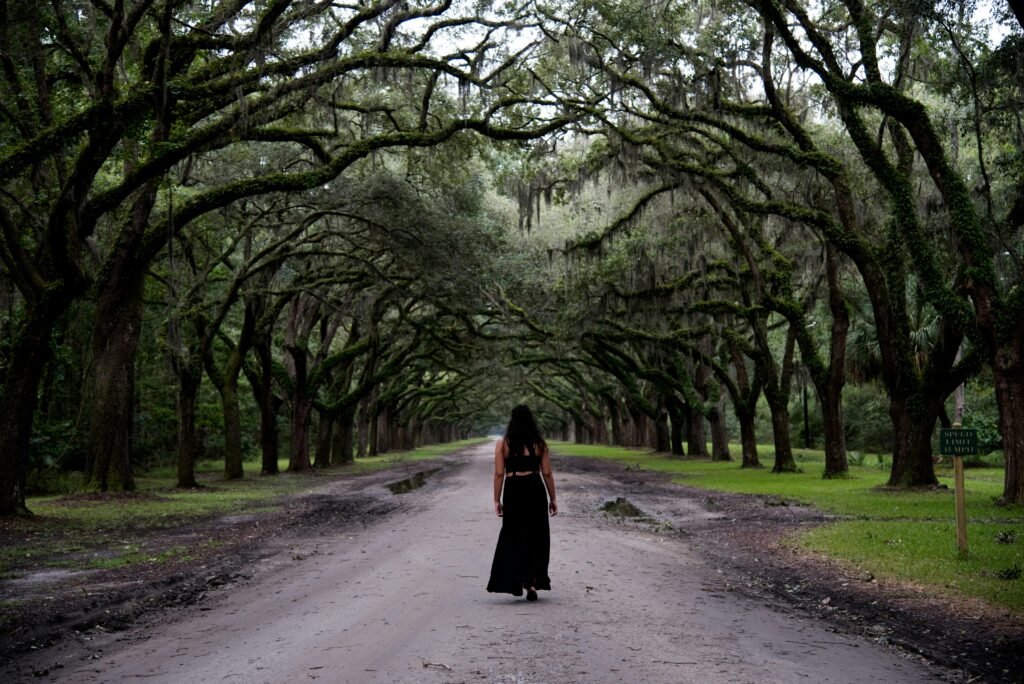
A 100 gallon live oak is a young but already large and well-developed tree that is grown in a very big nursery container that can hold about 100 gallons of soil. This size does not mean the tree is 100 years old or 100 feet tall—it simply refers to the container size used to grow it before planting. In simple words, a 100 gallon live oak is a semi-mature landscape tree that is strong enough to be planted directly in yards, gardens, farms, or commercial landscapes without waiting many years for growth. The species itself, known as the live oak (Quercus virginiana), is a famous evergreen oak tree known for its wide, spreading branches, strong trunk, and long life span that can reach hundreds of years in the right conditions.
Nurseries grow live oaks in 100 gallon containers because this size gives the tree enough space to develop a strong root system while still being manageable for transport and planting. Smaller sizes like 15 or 30 gallon trees are cheaper but take many years to create shade and structure. On the other hand, a 100 gallon live oak already has a noticeable trunk, a shaped canopy, and can immediately improve the look of a landscape. People often choose this size when they want faster shade, quicker visual impact, and a more established tree look without waiting decades. It is especially popular in large homes, estates, parks, and commercial spaces where instant greenery is important.
100 Gallon Live Oak Size, Height, and Growth Expectations
A 100 gallon live oak is considered a large nursery-grown tree that already shows strong structure and noticeable size in the landscape. On average, this type of live oak usually stands somewhere between 6 to 12 feet tall when it is ready for planting, depending on how it was grown in the nursery. The trunk is already thick enough to support long-term growth, and the branches begin forming the wide, spreading shape that live oaks are famous for. What makes this size special is that it is not just a small sapling anymore—it already looks like a “real tree,” which is why it is often chosen for instant landscaping impact in homes, farms, and commercial properties.
After planting, the growth of a 100 gallon live oak becomes more noticeable over time, but it is not extremely fast. Live oaks are known for being slow to moderate growers, especially in the early years after transplanting. In good soil and with proper watering, you can expect steady growth in width and height each year as the tree adjusts and strengthens its root system. Over time, this tree can reach a massive mature size, often spreading wider than it is tall, creating a beautiful natural shade canopy. This slow but steady growth is actually one of its strengths because it leads to a very strong, wind-resistant structure that can live for generations.
100 Gallon Live Oak Price and Cost Factors
The cost of a 100 gallon live oak can vary widely depending on several important factors, but in general it is considered a mid-to-high investment in landscaping trees. On average, prices can range from a few hundred dollars to over a thousand dollars per tree. The price depends on the quality of the tree, how straight and well-shaped the trunk is, and how developed the canopy looks. Trees that are carefully trained and well-maintained in nurseries often cost more because they require years of care before reaching this size. Delivery distance and installation services can also significantly increase the total cost.
Another important factor that affects pricing is location and demand. In regions where live oaks are commonly used in landscaping, prices may be more competitive, while in areas where they are less common, costs can be higher due to transportation and availability. Even though a 100 gallon live oak may seem expensive compared to smaller trees, many homeowners and developers see it as a long-term investment. This is because it provides immediate visual impact, faster shade, and increases property value much sooner than smaller trees, making the higher upfront cost more reasonable over time.
Best Conditions to Grow a 100 Gallon Live Oak
A 100 gallon live oak grows best in warm and mild climates where it has enough sunlight and space to expand. These trees prefer full sun exposure, meaning they should receive at least several hours of direct sunlight each day. They are highly adaptable but perform best in well-drained soil that does not stay soggy for long periods. Sandy or loamy soils are often ideal because they allow the roots to breathe while still holding enough moisture for steady growth. Once established, live oaks are very drought-tolerant, which makes them popular in areas with hot summers.
In terms of climate, the live oak tree (Quercus virginiana) is known for its strength and flexibility. It can tolerate heat, humidity, coastal winds, and even mild cold conditions, which is why it is commonly found in southern regions. However, young trees like the 100 gallon live oak still need some protection during their early transplant stage. Proper watering, mulch around the base, and avoiding extreme stress in the first year are very important for survival. Once established, the tree becomes very low maintenance and can thrive for decades with minimal care.
How to Plant a 100 Gallon Live Oak Correctly
Planting a 100 gallon live oak is a very important step because it determines how well the tree will grow for the rest of its life. The planting process begins with choosing the right location, which should have enough space for the tree’s wide canopy. A large hole is dug that is at least two to three times wider than the root ball, allowing the roots to spread easily into the surrounding soil. The tree should be placed carefully so that the top of the root ball sits slightly above ground level, helping prevent water from collecting around the trunk.
After placing the tree, the soil is gently filled back in and lightly packed to remove air pockets. Watering immediately after planting is essential because it helps the roots settle into the soil. Many professionals also recommend adding mulch around the base to retain moisture and protect the roots from heat. In the early stages, staking may be used to support the tree against wind, but it should not be too tight because the tree needs slight movement to strengthen its trunk over time. Proper planting is one of the most important steps to ensure the long-term survival of a 100 gallon live oak.
Watering and Fertilizing a 100 Gallon Live Oak
A newly planted 100 gallon live oak needs consistent watering during its early growth period. In the first few months, deep watering is more effective than frequent light watering because it encourages the roots to grow deeper into the soil. The soil should remain moist but never waterlogged, as too much water can damage the roots and slow growth. As the tree becomes more established, the watering frequency can be reduced since live oaks naturally become drought-tolerant over time.
Fertilizing is also helpful but should be done carefully. A balanced slow-release fertilizer is often recommended in the early stages of growth to support root development and canopy strength. However, over-fertilizing should be avoided because it can cause weak growth or stress on the tree. The best approach is to feed the tree lightly during the growing season and focus more on soil health, watering balance, and proper sunlight exposure. When done correctly, watering and fertilizing help the 100 gallon live oak tree develop into a strong and healthy landscape feature.
Care and Maintenance for a 100 Gallon Live Oak Tree
Taking care of a 100 gallon live oak is not difficult once the tree has been properly planted and has started adjusting to its new location. In the first year, the most important thing is consistency. The tree needs regular attention, especially in watering and soil condition, because this is the stage where it is still sensitive after being moved from the nursery. A layer of mulch around the base helps keep the soil cool and moist, which supports healthy root development. It is also important to keep the area around the trunk clear of grass and weeds so the tree does not have to compete for nutrients and water. Over time, as the tree becomes stronger, it will require less frequent care, but early maintenance plays a big role in how fast and healthy it grows.
As the 100 gallon live oak tree matures, care becomes more about guiding its natural shape rather than constant maintenance. Light pruning may be done occasionally to remove dead or weak branches and to encourage a strong structure. However, heavy pruning should be avoided because live oaks naturally grow into wide, spreading canopies that define their beauty. Seasonal observation is also helpful so that any small issues can be caught early before they become serious problems. With proper care, this tree can live for many decades and even centuries, becoming a long-term part of the landscape that increases shade, beauty, and property value over time.
Common Problems, Diseases, and Pests in Live Oak Trees
Even though the 100 gallon live oak is a strong and durable tree, it can still face a few common problems, especially during its early years after planting. One of the most frequent issues is stress caused by transplanting, which can temporarily slow growth or cause leaves to turn slightly yellow. This usually happens when the roots are adjusting to new soil conditions. Another common problem is improper watering, where either too much or too little water affects the health of the tree. Since live oaks prefer balanced moisture, any extreme condition can lead to weakness in growth or reduced leaf quality.
Pests and diseases are not usually severe in live oaks, but they can still appear if the tree is under stress. Insects like scale or borers may sometimes affect weak trees, while fungal issues can appear in overly wet soil conditions. The good news is that a healthy 100 gallon live oak tree is naturally resistant to most serious threats. Prevention is always better than treatment, so maintaining good soil drainage, proper watering habits, and regular observation is the best way to keep the tree safe. When the tree is strong and well-established, it becomes highly resistant and rarely suffers from major long-term issues.
Landscaping Uses of 100 Gallon Live Oak Trees
A 100 gallon live oak is one of the most popular choices for landscaping because it provides an instant sense of maturity and natural beauty. These trees are often used in large residential yards where homeowners want immediate shade and a strong visual focal point. Their wide canopy makes them perfect for creating cool outdoor spaces, especially in hot climates. In addition to homes, they are also widely used in parks, estates, golf courses, and commercial properties where long-term landscape value is important.
What makes the live oak tree in 100 gallon size especially valuable is its ability to transform open space into a natural environment quickly. Unlike small trees that take many years to grow, this size already looks established and gives structure to a landscape design. Over time, the branches spread wider and create a dramatic, elegant appearance that enhances property value. Because of their long lifespan and strong presence, live oaks are often planted as legacy trees meant to last for generations.
Buying Guide for a 100 Gallon Live Oak
When purchasing a 100 gallon live oak, it is important to choose a healthy tree from a reliable nursery. A good tree should have a strong, straight trunk, healthy green leaves, and no visible signs of disease or damage. The root system should be well-developed but not overly root-bound inside the container. Choosing the right tree at the start is very important because it directly affects how well it will grow after planting and how quickly it will adapt to its new environment.
It is also important to consider delivery and planting services when buying a 100 gallon live oak tree, especially because of its size and weight. Many nurseries offer installation support, which can greatly improve survival chances. Asking about warranty or replacement policies is also a smart step, as it provides protection in case the tree does not adjust well after planting. Overall, buying a healthy tree from a trusted source ensures that your investment grows into a strong, beautiful, and long-lasting landscape feature.