
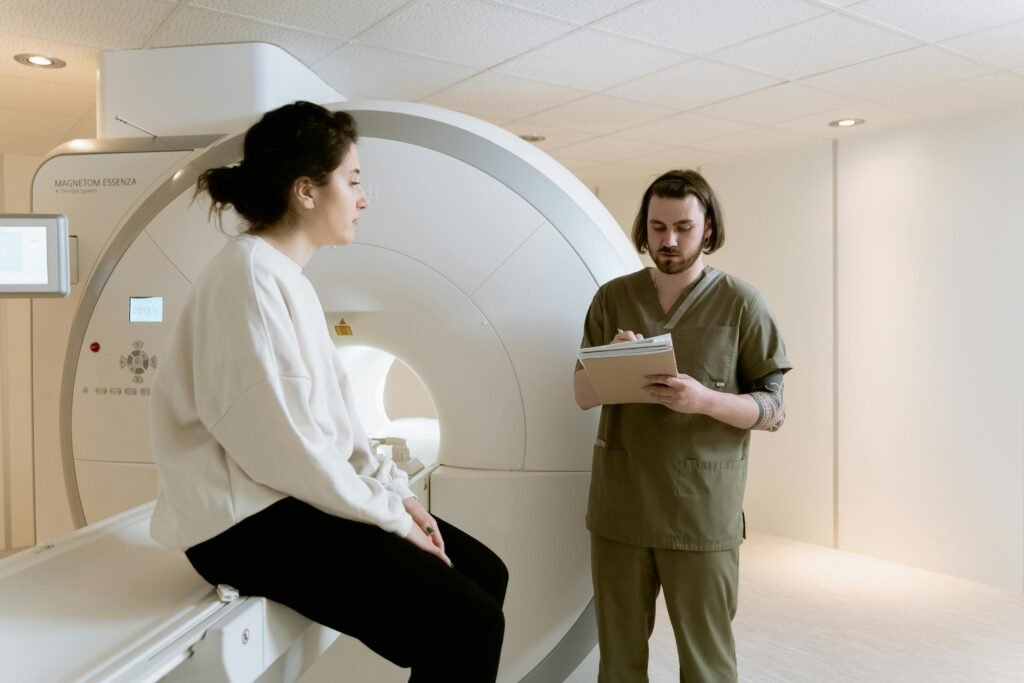
Many people dreaming about a career in healthcare think becoming an MRI tech (Magnetic Resonance Imaging technologist) could be a great path. MRI techs play a crucial role in helping doctors diagnose illnesses by taking detailed pictures of the inside of a patient’s body. This job combines science, technology, and working with people—making it both interesting and rewarding.
If you’re asking how to become an MRI tech in California, this blog will walk you through the steps, training options, certification, salary expectations, and tips for success.
What Is an MRI Tech?
An MRI tech operates powerful imaging machines that use magnetic fields and radio waves to create detailed images of the body. These images help doctors find problems like injuries, tumors, or diseases without surgery.
MRI techs work in places like hospitals, imaging centers, and clinics. They explain the MRI procedure to patients, help them feel comfortable, and then safely operate the MRI machine to take clear images. The job requires technical knowledge and good communication skills.
Step 1: Finish High School or GED
The first step in becoming an MRI tech in California is completing your high school education or GED. A strong foundation in science subjects like biology, math, and physics helps you understand the complex technical training that comes later.
High school gives you the basic skills you’ll need in college-level programs. If you haven’t finished high school yet, focus on graduating or earning your GED first.
Step 2: Choose an MRI Training Program
Once you have your high school diploma or GED, the next important step is enrolling in an MRI training program. In California, you can choose programs at community colleges or private schools.
Most programs offer an Associate Degree in MRI Technology or a similar degree, which usually takes about 1.5 to 2 years to complete. For example, institutions like Gurnick Academy and Casa Loma College offer Associate degrees that combine classroom learning with hands-on clinical experience.
These programs teach you subjects like:
- Human anatomy and physiology
- MRI physics and safety
- Patient care and communication
- Clinical practicum (hands-on training in imaging centers)
Hands-on experience is especially important because it prepares you to work with real patients under supervision. Make sure the program you pick gives you enough clinical hours and proper training to qualify for certification exams later on.
Step 3: Complete Clinical Training
Being good at MRI means not just knowing theory, but also working with real imaging machines and real patients. That’s why most MRI programs include a clinical practicum where you work in hospitals or imaging centers under supervision.
During clinical training you will:
- Learn to position patients correctly
- Practice safety standards and comfort care
- Capture high-quality diagnostic images
- Work with experienced technologists
This hands-on training is required before you graduate and is a big part of becoming ready for a real job.
Step 4: Understand California’s License Rules
An important question many people ask is “Do I need a state license to work as an MRI tech in California?”
The answer is: No, California does not require a state license specifically for MRI technologists to legally work. However, most employers still prefer or require you to be certified through a national organization.
Certification proves to employers that you have the knowledge and skills needed to operate MRI machines safely and professionally.
Step 5: Get Certified
There are two main national certification organizations for MRI techs:
1. ARRT (American Registry of Radiologic Technologists)
This is the most widely recognized credential in the United States. To sit for the ARRT MRI certification exam, you usually must complete an accredited MRI program, meet ethical standards, and pass the ARRT exam. ARRT certification is often preferred by employers and many imaging centers list it as a hiring requirement.
2. ARMRIT (American Registry of Magnetic Resonance Imaging Technologists)
This organization offers another certification option that MRI techs can pursue. Some programs help prepare students for both ARRT and ARMRIT exams, which can widen job opportunities.
Getting certified isn’t legally required in California, but it makes you much more competitive in the job market and shows employers that you’ve met national standards.
Step 6: Search for MRI Jobs in California
Once you complete your education and get certified, it’s time to start your job search! MRI techs in California can work in:
- Hospitals
- Private imaging centers
- Outpatient clinics
- Diagnostic labs
Many techs begin as entry-level MRI technologists and grow into more advanced roles over time. Some may later specialize in areas like functional MRI (fMRI) or work in research settings.
Expected Salary and Job Outlook
MRI technologists in California earn competitive salaries. As of 2025, the average annual salary for MRI technologists can be over $100,000 per year depending on experience and location.
Entry-level techs might start lower, but with experience and certification, your earning potential can grow. California’s large population and many healthcare facilities often mean more job opportunities compared to other states.
Tips for Success
Here are some practical tips for becoming a successful MRI tech in California:
1. Pick an Accredited Program
Make sure your school is accredited and prepares you for national certification exams. Accreditation matters for future job opportunities.
2. Get Plenty of Clinical Experience
Seek programs with strong clinical practicums. The hands-on experience will make you more confident and job-ready.
3. Prepare for Certification Exams
Give yourself time to study and pass the ARRT or ARMRIT exams. Passing these opens doors to more jobs and often better pay.
4. Stay Professional
MRI techs work closely with patients every day. Good communication and compassion go a long way in healthcare.
5. Keep Learning
Technology changes fast! Seek continuing education and stay updated on the newest MRI techniques, safety standards, and equipment.
Is This Career Right for You?
Becoming an MRI tech is a great choice if you enjoy science, technology, working with people, and solving problems. It’s a stable career with good salary potential and room to grow.
Even though California does not require a state license, completing an accredited education program and getting certified will make a big difference in your job prospects. Employers value national certification as proof of your skills and professionalism.
Final Thoughts
If you’re serious about a career in healthcare and love the idea of blending science with patient care, becoming an MRI tech in California could be a perfect fit. Start with high school, choose a solid MRI program, get hands-on training, and earn your certification. With dedication and training, you’ll be well on your way to a meaningful and rewarding career.