
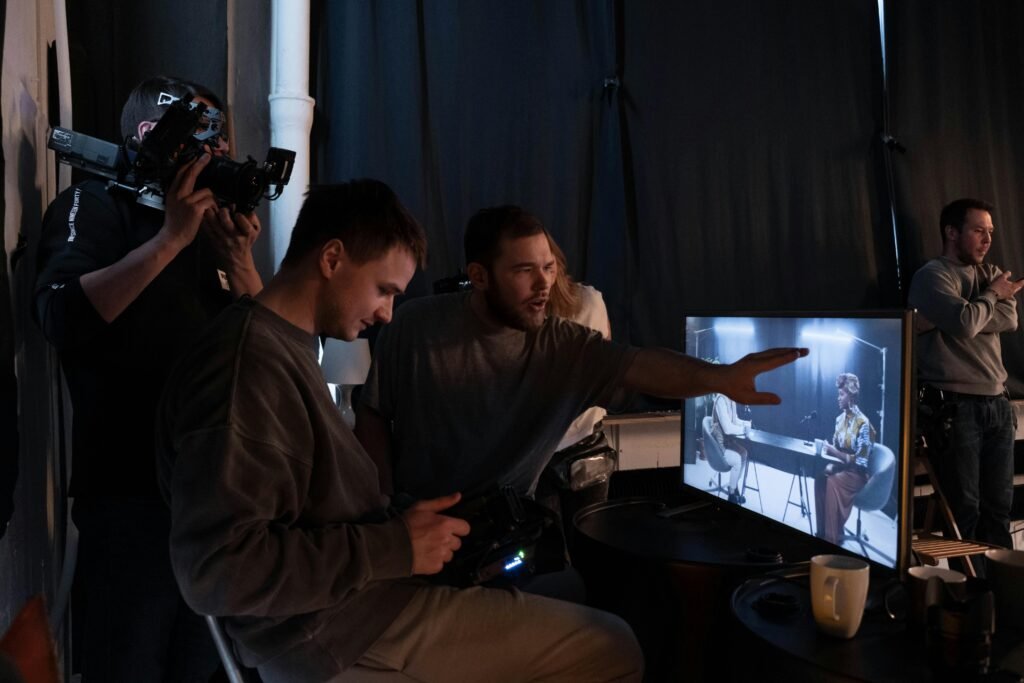
Entertainment has always been an important part of human life. From ancient storytelling and live theater to modern movies, music, and digital content, people have always looked for ways to relax, feel inspired, and escape daily stress. In today’s fast-moving digital world, entertainment is changing faster than ever before. Technology, social media, and audience preferences are reshaping how content is created and consumed.
This article explores how entertainment has evolved, the most popular forms of entertainment today, and what the future may look like for audiences around the world.
The Evolution of Entertainment Over Time
Entertainment has gone through many phases. In the past, people relied on live performances such as plays, concerts, and storytelling events. Later, radio and television became the main sources of entertainment for families. These platforms brought news, drama, music, and comedy directly into people’s homes.
With the rise of the internet, entertainment became more personal and accessible. Viewers no longer needed to wait for scheduled TV shows or visit theaters to enjoy content. Online platforms made it possible to watch, listen, and interact with entertainment anytime and anywhere.
Movies and Streaming Platforms
Movies remain one of the most powerful forms of entertainment. While cinemas still attract large audiences, streaming platforms have completely changed how people watch films and TV shows. Services offering on-demand content allow viewers to choose what they want to watch without restrictions.
Streaming has also encouraged diverse storytelling. Independent filmmakers, international creators, and niche genres now have global audiences. Binge-watching has become common, and viewers expect high-quality content with strong stories and characters.
Music in the Digital Age
Music is another entertainment sector that has transformed dramatically. Physical albums and CDs have largely been replaced by digital streaming. Listeners can now access millions of songs instantly through mobile apps and online platforms.
Social media has helped new artists gain popularity without traditional record labels. Viral trends, short videos, and user-generated content play a major role in shaping music charts. Live concerts are also evolving, with virtual performances and online fan engagement becoming more common.
Television Shows and Web Series
Television content has expanded beyond traditional cable networks. Web series and online shows are now major competitors, often offering more creative freedom and modern storytelling styles. Short episodes, strong scripts, and relatable themes attract younger audiences.
Many viewers prefer series that focus on real-life issues, comedy, crime, or fantasy. This shift has encouraged producers to experiment with formats and storytelling techniques that were once considered risky.
Gaming as Mainstream Entertainment
Video games are no longer just a hobby for a small group of people. Gaming has become a major entertainment industry, attracting players of all ages. Mobile games, console gaming, and online multiplayer platforms provide immersive experiences that combine storytelling, competition, and social interaction.
Esports and live game streaming have also gained massive popularity. Gamers can now watch professional players, interact with communities, and even build careers through content creation.
Social Media and Short-Form Content
Social media platforms have introduced a new form of entertainment based on short, engaging content. Videos, memes, live streams, and creator posts capture attention quickly and spread rapidly across the internet.
Content creators play a key role in modern entertainment. Influencers, vloggers, and digital performers connect directly with audiences, often building strong personal brands. This direct relationship has changed how entertainment is marketed and consumed.
Celebrity Culture and Fan Engagement
Celebrities remain a major part of entertainment culture, but the way fans interact with them has changed. Social media allows direct communication through posts, stories, and live sessions. Fans feel more connected to actors, musicians, and creators than ever before.
At the same time, audiences are more aware and critical. Authenticity, transparency, and social responsibility matter more to fans today, influencing how celebrities manage their public image.
The Future of Entertainment
The future of entertainment will likely be shaped by technology such as artificial intelligence, virtual reality, and augmented reality. Personalized recommendations, interactive storytelling, and immersive experiences may become standard.
As entertainment continues to evolve, the focus will remain on creativity and connection. Audiences want content that entertains, inspires, and reflects real emotions and experiences.
Final Thoughts
Entertainment is no longer limited to one screen, one format, or one audience. It is a dynamic, global industry that adapts to cultural trends and technological innovation. Whether through movies, music, games, or digital content, entertainment will continue to be a powerful part of everyday life.
For content creators, businesses, and audiences alike, understanding these changes helps in staying connected to the exciting world of modern entertainment.