
Table of Contents
Introduction to 1968 Camaro Engine Options
The 1968 Camaro engine options are one of the biggest reasons this classic muscle car remains popular today. When Chevrolet built the 1968 Camaro, they gave buyers many engine choices so people could select a car that matched their budget, driving style, and performance needs. Some buyers wanted an affordable daily driver with good fuel economy, while others wanted a high-powered street machine that could dominate stoplight races. Because of that, Chevrolet offered everything from practical six-cylinder engines to legendary V8 powerplants that are still respected today. This wide engine lineup helped make the Camaro one of the most exciting American cars of the late 1960s.
What makes the 1968 model especially interesting is the balance it offers between style, power, and collectability. It kept the beautiful first-generation Camaro body design but added improvements over the 1967 version, making it more refined and desirable. Today, collectors often search for original examples with factory-installed engines because the correct motor can greatly increase value. A numbers-matching SS396 or Z/28 can be worth far more than a modified base model. Whether you are a buyer, restorer, or muscle car fan, understanding the 1968 Camaro engine options helps you know which models are common, which are rare, and which are most valuable.
Why the 1968 Camaro Still Matters
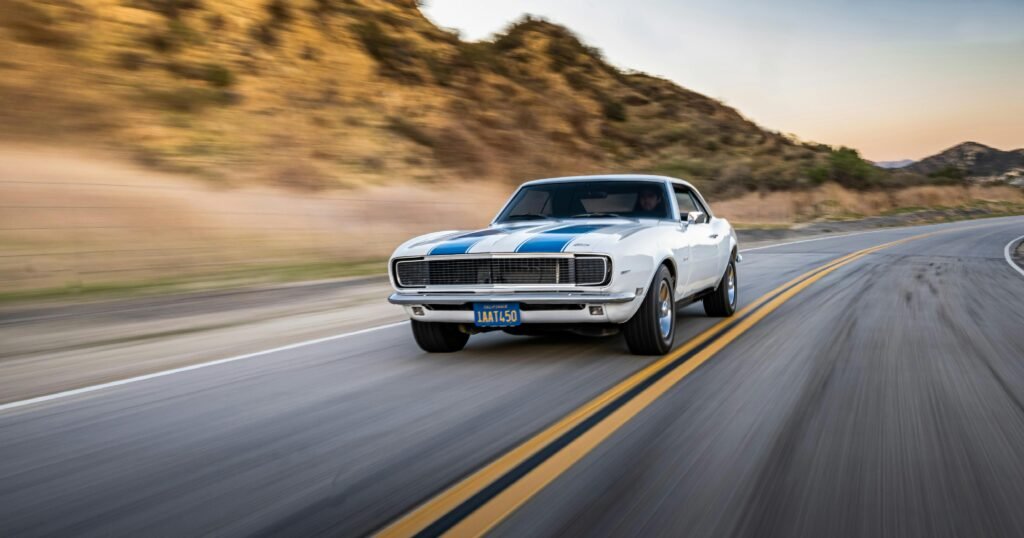
The 1968 Camaro still matters because it represents one of the most exciting periods in American automotive history, when style and horsepower were both equally important. Chevrolet created the Camaro to compete directly in the growing pony car market, and by 1968 the company had improved the original design with cleaner details, better ventilation, revised side marker lights, and a more refined overall feel. While these updates may sound small, they helped make the 1968 model one of the most balanced early Camaros ever built. It had the aggressive long-hood, short-deck shape people loved, but it also offered more choices and better road manners than many rivals. This was a car buyers could order in many forms, from a simple six-cylinder commuter to a powerful V8 machine ready for weekend drag racing. That flexibility is why the 1968 Camaro appeals to such a wide audience today. Some owners love restoring base cars to original condition, while others seek factory high-performance versions that became icons. The 1968 Camaro engine options played a huge role in this success because they allowed one body style to serve many types of customers, something few cars did as well at the time.
Another reason the 1968 Camaro remains important is its lasting impact on collectors, restorers, and muscle car culture. Many enthusiasts believe it offers the perfect middle ground between the first-year 1967 Camaro and the redesigned 1969 model. It keeps the clean early look while benefiting from updates that make it easier to own and enjoy. Values have remained strong because demand continues across many trims and engines, especially cars with original drivetrains. A six-cylinder model may attract buyers wanting an affordable entry into classic ownership, while a real SS396 or Z/28 can attract serious collectors willing to pay premium prices. The aftermarket industry also supports this car heavily, meaning parts, trim pieces, suspension upgrades, and engine components are widely available. That makes ownership more realistic than many other classics from the same era. Even people who are new to vintage cars recognize the Camaro name, and the 1968 version often stands out for combining beauty, history, and real driving excitement. When people research classic muscle cars, the 1968 Camaro almost always enters the conversation because it still delivers style, sound, and performance decades after it first rolled off the assembly line.
Full List of 1968 Camaro Engine Options
The full list of 1968 Camaro engine options shows just how serious Chevrolet was about giving buyers freedom of choice. Entry-level buyers could select practical inline-six engines that offered smooth running and lower purchase cost, making the Camaro accessible to younger drivers and families who wanted sporty styling without V8 fuel bills. Above that were several small-block V8 choices, which gave stronger acceleration while keeping weight lower than big-block combinations. Then came the famous performance engines that turned the Camaro into a true muscle car, including the high-revving 302 used in the Z/28 and the torque-heavy 396 big-blocks used in SS models. This broad lineup meant there was no single type of Camaro owner in 1968. A person could buy a stylish everyday car, a balanced street performer, or a factory hot rod from the same showroom. Few vehicles offered that kind of range, and it helped the Camaro build a reputation that still exists today.
The factory horsepower spread was also impressive, starting around 140 horsepower in the base six-cylinder and reaching 375 horsepower in the highest-rated 396 V8. That huge gap shows how one model could serve entirely different needs. Some engines focused on economy and reliability, while others were built for quarter-mile times and street credibility. Today, each engine option attracts different buyers. Base six-cylinder cars can be more affordable and easier to insure, mid-range 327 and 350 V8 cars are often popular for cruising, and top-tier Z/28 or L78 396 cars can command strong collector money. Knowing the complete engine list helps buyers avoid confusion because many Camaros have been modified over the years. An original engine car often carries more value than one with later swaps, even if the newer engine is more powerful. Understanding what was truly available in 1968 is one of the smartest steps anyone can take before buying or restoring one of these classic cars.
Inline-Six Engine Choices
The inline-six choices were the starting point in the 1968 Camaro engine options, and they played an important role in making the Camaro affordable for a wider group of buyers. Many people today think every classic Camaro came with a V8, but that is not true. Chevrolet knew that some customers wanted sporty looks more than maximum speed, so the six-cylinder models gave them a lower-cost way to own one of America’s hottest new cars. The standard engine was the 230 cubic inch inline-six, rated at around 140 horsepower, while buyers could also choose the stronger 250 cubic inch version with roughly 155 horsepower. These engines were known for smooth operation, decent fuel economy for the era, and simple mechanical design. They were easier to maintain than more complex performance engines and often lasted many years when properly serviced. In city driving and normal highway use, the six-cylinder Camaro delivered respectable performance for everyday life, especially when paired with the lighter front-end feel that some drivers preferred over heavier V8 models.
Today, six-cylinder 1968 Camaros attract a different type of buyer than high-horsepower SS or Z/28 cars. They can be a smart entry point for someone who wants first-generation Camaro styling without paying premium muscle car prices. Because many collectors chase V8 models, original six-cylinder cars are sometimes overlooked, yet they still represent authentic pieces of Camaro history. Some enthusiasts restore them exactly as they left the factory, appreciating their simplicity and originality. Others use them as a starting point for future upgrades because the Camaro platform supports many engine swaps. However, an untouched and documented six-cylinder car can have its own charm and collector appeal, especially as original examples become harder to find. While they may not offer the raw acceleration of bigger engines, these cars remind people that the Camaro was designed for more than drag strips—it was also built to be enjoyed by everyday drivers who wanted style, comfort, and a little excitement in their daily routine.
Small-Block V8 Engine Choices
The small-block V8 lineup is where the 1968 Camaro engine options became especially exciting for buyers who wanted real performance without stepping into big-block territory. Chevrolet offered several versions of the 327 cubic inch V8, including lower and higher horsepower setups, along with the respected 350 cubic inch V8 found in the SS350 package. These engines gave the Camaro stronger acceleration, better exhaust sound, and the kind of street presence many customers wanted, while still maintaining better balance and lighter front-end weight than the larger 396 models. The 327 was known as a flexible engine with strong response and a willingness to rev, making it popular among drivers who enjoyed spirited back-road driving. The higher-output versions, especially the L79 327 rated at 325 horsepower, were serious performers for the time and remain desirable today. The 350 added more displacement and torque, which helped with everyday drivability and gave the SS350 model a strong identity among Camaro fans.
For many modern enthusiasts, the small-block V8 cars represent the sweet spot of the 1968 Camaro range. They usually offer easier maintenance, wide parts availability, and strong performance without some of the added heat, weight, and fuel thirst associated with big-block engines. A well-tuned 327 or 350 Camaro can still feel lively and fun on modern roads, making these models excellent choices for weekend cruising and classic car events. They also tend to be more usable for regular driving than the rarest collector-grade cars, which some owners prefer to preserve. Because the Chevrolet small-block family became legendary, replacement parts and upgrades are available almost everywhere, making ownership simpler than with many other classics. Buyers who want a balance of value, sound, reliability, and traditional muscle car character often focus on these V8 models. In many ways, the small-block Camaros capture everything people love about late-1960s performance cars while remaining practical enough to enjoy regularly.
302 Z/28 Performance Engine
The 302 cubic inch V8 is one of the most legendary choices in the 1968 Camaro engine options, mainly because it powered the famous Z/28 model. Unlike larger engines that focused mostly on low-end torque, the 302 was designed to rev high and deliver performance through strong upper-range power. Chevrolet created this engine to meet racing rules for Trans-Am competition, where engine size limits encouraged manufacturers to build smaller but highly capable V8 combinations. By combining a 327 block with a 283 crankshaft, Chevrolet produced the 302, an engine that became respected for its aggressive nature and sharp throttle response. Official horsepower ratings were often conservative for insurance and marketing reasons, but real-world performance showed the engine had far more potential than numbers suggested. Drivers loved the sound of the solid-lifter valvetrain, the way the engine came alive at higher rpm, and the race-inspired personality that separated it from ordinary street cars. In 1968, ordering a Z/28 meant getting far more than stripes and badges—it meant owning one of the most focused factory performance Camaros ever built.
Today, the 1968 Camaro Z/28 with its original 302 engine is one of the most desirable first-generation Camaros in the collector market. These cars represent a special moment when racing directly influenced what customers could buy in a showroom. Because many Z/28 cars were driven hard, modified, or lost over time, authentic and correctly restored examples are highly valued. Buyers often pay close attention to engine codes, casting numbers, and documentation because originality matters greatly with this model. Beyond value, the Z/28 remains admired because it delivers a different type of muscle car experience. Instead of simply relying on brute force, it rewards drivers who enjoy shifting gears, hearing the engine climb through the rev range, and feeling a lighter, more agile front end compared with big-block cars. Many enthusiasts see the 302 Z/28 as the thinking person’s Camaro—a machine built with purpose, character, and genuine motorsport roots that still impresses decades later.
Big-Block 396 Engine Options
For buyers who wanted maximum straight-line power, the big-block 396 models were the most intimidating part of the 1968 Camaro engine options. Chevrolet offered several versions of the 396 cubic inch V8, including engines rated around 325 horsepower, 350 horsepower, and the famous high-performance 375 horsepower L78 version. These motors delivered the kind of torque that instantly changed the personality of the Camaro. Where a small-block felt eager and nimble, a 396 Camaro felt heavy-hitting and forceful, pushing the car forward with authority at almost any speed. The SS396 package quickly became a symbol of serious muscle because it combined aggressive styling cues with one of Chevrolet’s strongest available street engines. For many buyers in 1968, owning a big-block Camaro meant owning a car that could compete with the toughest machines on the road. Even at idle, the sound and vibration of a healthy 396 sent a clear message that this was no ordinary pony car.
Modern collectors continue to admire 396-powered Camaros because they represent classic big-cube American performance at its peak. A real SS396 with its original drivetrain can be highly valuable, especially if it retains factory paperwork or rare options. The top L78 version is especially desirable because of its stronger internals and higher-performance reputation. However, owning a big-block Camaro is often different from owning a small-block model. These cars can run hotter, use more fuel, and feel heavier at the front, but many owners gladly accept those traits for the raw experience they provide. Nothing feels quite like the surge of torque from a healthy big-block V8, and that sensation is a major reason these cars remain icons. For enthusiasts who believe muscle cars should shake the ground, sound aggressive, and deliver effortless acceleration, the 396 Camaro remains one of the purest expressions of the era.
How to Identify an Original Engine
Identifying an original engine in a 1968 Camaro is one of the most important steps for anyone interested in buying, restoring, or valuing a classic car, especially when dealing with the wide range of 1968 Camaro engine options that were available from the factory. Over the years, many Camaros have had engine swaps, rebuilds, or replacements, which makes it very important to verify what is truly original. Chevrolet used a system of casting numbers, engine pad stamps, and partial VIN codes to identify engines during production. These markings can usually be found on the engine block near the front or rear, depending on the engine type. A “matching numbers” Camaro means the engine installed in the car is the same one it originally left the factory with, which significantly increases collector value. Buyers often compare these numbers with factory documentation or trim tags to confirm authenticity. Even small differences in stamping style or font can help experts determine whether an engine is original or replaced, making this a detailed process that requires patience and attention.
For collectors, knowing how to verify 1968 Camaro engine options is not just about curiosity—it directly affects pricing and investment value. A true Z/28 with its original 302 engine or a properly documented SS396 can be worth many times more than a similar car with a replacement engine, even if the replacement is more powerful. Because of this, many enthusiasts learn to carefully inspect engine codes before making a purchase. In addition, hidden swaps are common, especially in cars that have been restored over decades. Some engines may look correct on the outside but have incorrect internals or mismatched numbers that reduce authenticity. This is why experts recommend cross-checking multiple sources, including build sheets, VIN decoding, and factory records when available. Understanding originality helps buyers avoid costly mistakes and ensures that they are paying for a genuine piece of Camaro history rather than just a visually similar restoration.
Best 1968 Camaro Engine to Buy Today
Choosing the best option among the 1968 Camaro engine options depends heavily on what the buyer wants from the car, whether it is investment value, driving enjoyment, or affordability. For collectors, the top choices are usually the Z/28 302 and the high-performance SS396 engines, especially when they are numbers-matching and properly documented. These versions are rare, historically significant, and tend to appreciate in value over time. They also represent the most authentic muscle car experience from Chevrolet’s performance era. However, they are also more expensive to buy and maintain, which means they are often kept as collector pieces rather than daily drivers. Many enthusiasts see them as long-term investments rather than casual driving cars. Their originality, rarity, and racing heritage make them the crown jewels of the 1968 Camaro lineup.
For those who want a more balanced ownership experience, the small-block V8 models such as the 327 or 350-powered cars are often considered the best overall choice. They offer strong performance without the extreme costs associated with big-block maintenance or rare Z/28 authenticity requirements. These engines are easier to service, more widely supported with aftermarket parts, and still deliver a classic muscle car feel on modern roads. Budget-minded buyers may also consider inline-six models, which are simpler and more affordable, though less powerful. Ultimately, the best engine depends on personal goals. If the goal is investment and prestige, rare big-block or Z/28 cars are ideal. If the goal is driving enjoyment and practicality, small-block V8s are often the smartest choice. Each engine in the 1968 lineup offers a different experience, which is exactly why the Camaro remains such a versatile and loved classic.
Final Thoughts
The 1968 Camaro engine options helped define what made this car such a lasting icon in American automotive history. Few cars of its era offered such a wide range of factory engines, from simple six-cylinder setups to high-revving race-inspired V8s and massive big-block powerplants. This variety allowed Chevrolet to reach nearly every type of buyer, whether they wanted economy, balance, or pure performance. It also created a strong collector market today, where originality and engine choice play a major role in value. Each engine tells a different story—some focused on daily driving, others on track performance, and some on raw straight-line power that still impresses today. That flexibility is one of the main reasons the 1968 Camaro continues to be studied, restored, and admired around the world.
In the end, what makes the 1968 Camaro truly special is not just its design or performance numbers, but the way its engine lineup captured the spirit of its time. It represents an era when manufacturers were still experimenting, racing influenced production cars directly, and drivers had real choices that shaped how their car felt on the road. Whether it is a humble inline-six cruiser, a balanced small-block V8, a high-revving Z/28, or a thunderous SS396, every version of the Camaro has its place in history. For collectors and enthusiasts today, understanding these engines is key to appreciating what makes this car legendary. The 1968 Camaro engine options are more than specifications—they are the heart of a muscle car story that continues to inspire passion decades later.